
Compliance news, guides, and product updates
Practical guidance for facility managers on washroom cleaning compliance across Canada.

Federal Workplace Washroom Rules — What Canada Labour Code Employers Must Do
Federally regulated employers — banks, airlines, telecoms — face different washroom compliance rules than Ontario employers. Here's what the Canada Labour Code requires and how it differs from Bill 190.

Quebec Workplace Washroom Requirements — What Ontario and National Employers Need to Know
Expanding to Quebec? Washroom compliance works differently there. Here's what Ontario and national employers need to know about Quebec's OHS framework, language requirements, and enforcement culture.

Washroom Compliance Across Canada — A Province by Province Guide
Ontario leads Canada on washroom cleaning documentation requirements, but other provinces have their own rules. Here's a complete province-by-province washroom compliance guide for Canadian employers.

Why Canadian Employers Are Moving From Paper Cleaning Logs to Digital Systems
Ontario's Bill 190 accelerated a shift already underway. Here's why Canadian facility managers are moving from paper washroom logs to digital systems — and what the transition actually looks like.
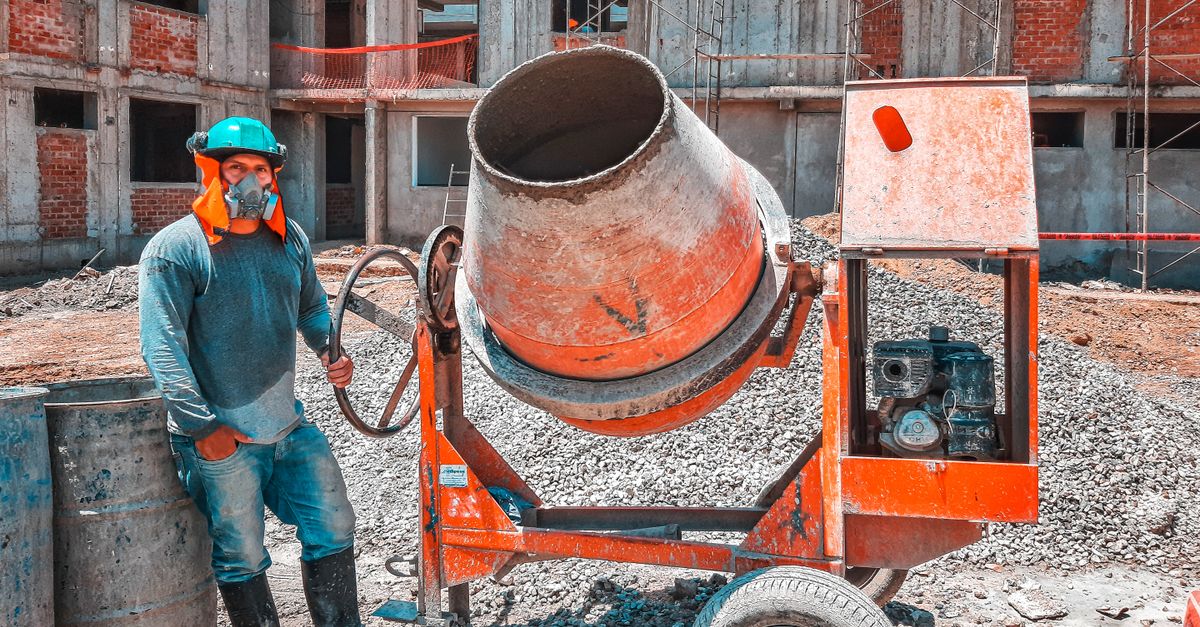
Bill 190 for Construction Sites — Requirements Most Contractors Miss
Construction sites have different washroom compliance rules under O. Reg. 482/24 — including a 6-month record retention requirement. Here's what Ontario constructors need to know.

Hotel and Hospitality Washroom Compliance in Ontario — What You Need to Know
Hotels, restaurants, and event venues in Ontario face complex washroom compliance obligations under Bill 190. Here's what hospitality employers need to know and how to build a workable program.

How to Prepare for an OHSA Washroom Inspection in 30 Minutes
Haven't addressed Ontario Bill 190 washroom compliance yet? Here's a practical 30-minute quick-start guide to assess your current state and close the most urgent gaps immediately.

How to Build a Washroom Cleaning Schedule That Actually Gets Followed
Most washroom cleaning schedules fail because they're unrealistic or unmonitored. Here's how to design a schedule that works, creates accurate compliance records, and holds up under inspection.
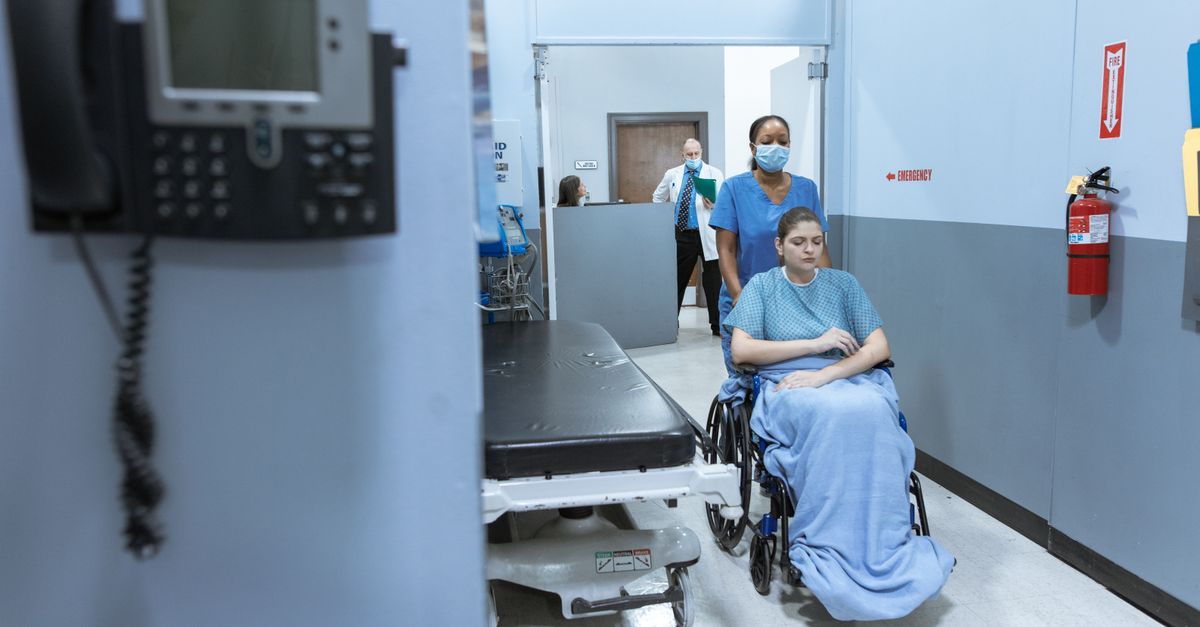
Bill 190 for Healthcare Facilities — Hospitals, Clinics, and Long-Term Care
Hospitals, clinics, and long-term care homes face unique considerations under Ontario Bill 190. Here's how washroom compliance integrates with existing healthcare regulations and IPAC frameworks.

How to Train Cleaning Staff on Digital Log Compliance
QR codes don't create compliance records — people do. Here's how to train cleaning staff on digital washroom log scanning for Ontario Bill 190, including what to cover and how to make it last.
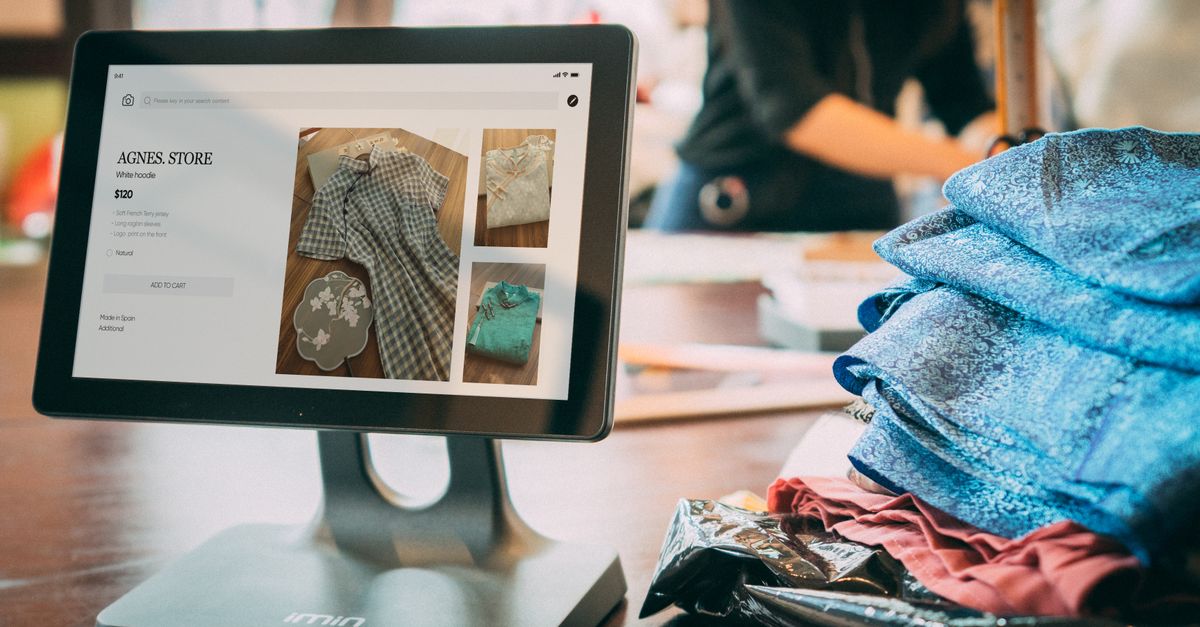
Bill 190 for Retail — What Store Owners and Shopping Centres Need to Know
Ontario retail employers and shopping centres have washroom compliance obligations under Bill 190. Here's who is responsible and how to build a workable compliance program for retail.

How to Roll Out Digital Washroom Logs Across Multiple Locations
Rolling out a digital washroom cleaning log across multiple Ontario locations requires more than just QR codes. Here's the step-by-step implementation guide that actually works.

Paper vs. Digital Washroom Logs — A Side-by-Side Comparison
Both paper and digital washroom logs meet Ontario Bill 190 requirements — but they're very different in practice. Here's an honest side-by-side comparison to help you choose.

Washroom Compliance for Ontario Property Managers — A Practical Guide
Commercial property managers face unique questions about who is responsible for washroom compliance under Ontario Bill 190. Here's how to navigate the landlord-tenant compliance split.

What Happens During an OHSA Washroom Inspection — And How to Be Ready
Ministry of Labour inspectors are assessing Bill 190 washroom compliance across Ontario. Here's what they look for, what violations lead to, and how to prepare your workplace.

Manufacturing and Warehouse Washroom Compliance Under Ontario's OHSA
Ontario manufacturers and warehouse operators must now document washroom cleanings under Bill 190. Here's what the law requires and how to build a compliant program for industrial facilities.

The True Cost of Non-Compliant Washroom Cleaning — Beyond the Fine
The fine is just the start. Here's what non-compliance with Ontario Bill 190 actually costs — in legal fees, operational disruption, reputation, and worker trust.

Bill 190 Compliance Guide for Ontario School Boards
Ontario school boards face unique challenges meeting Bill 190 washroom compliance requirements at scale. Here's a practical guide for facility directors and HR leaders.
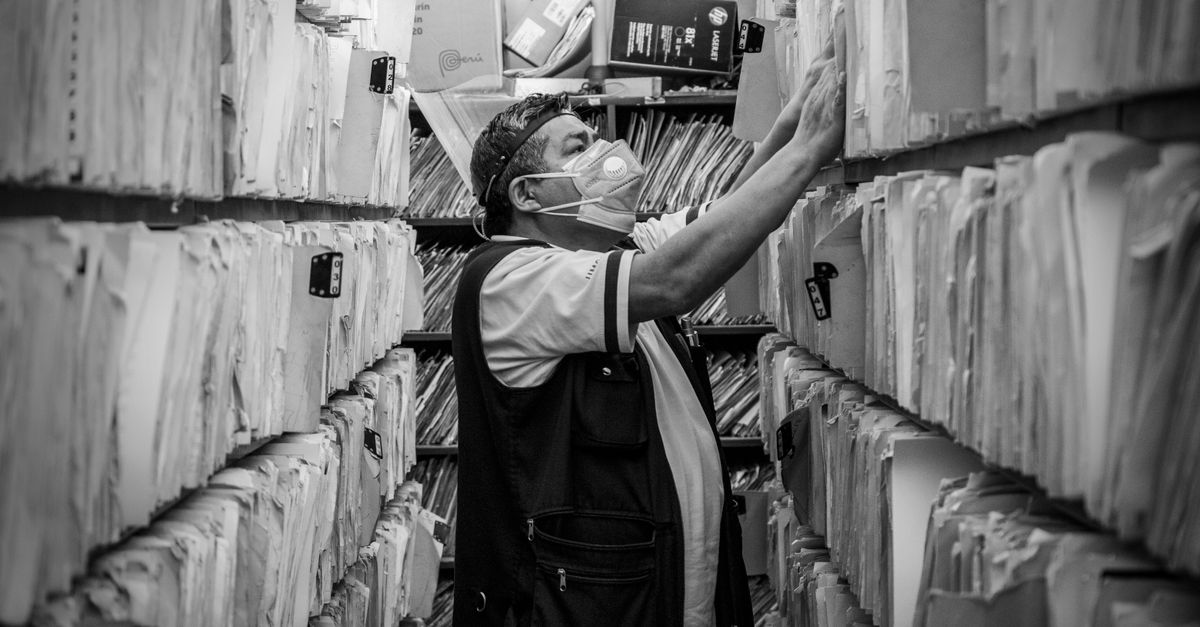
How Long Do You Need to Keep Washroom Cleaning Records in Ontario?
Ontario Bill 190 requires washroom cleaning records — but how long must you keep them? We break down the rules for employers, constructors, and regulated sectors.

QR Codes in Facility Management — How They're Changing Washroom Compliance
QR-code-based cleaning logs are replacing paper in Ontario facilities. Here's how they work, why they outperform paper logs, and what to look for in a digital compliance system.

What Does 'Readily Accessible' Actually Mean Under Ontario Bill 190?
Ontario Bill 190 requires washroom cleaning records to be 'readily accessible' — but what does that actually mean? We break down what compliance looks like and what common mistakes to avoid.
5 Things Every Facility Manager Should Check Before a Washroom Inspection
A quick pre-inspection checklist for facility managers to confirm washroom cleaning logs, postings, and records meet current regulatory requirements.